Property surveys are measurements of land. Different surveys do different jobs. Each one is made for a specific reason. Understanding the different types of land surveys helps you know what your property needs. Whether you’re buying land, building a house, or have questions about your property line, knowing which survey type matters is important.
The Main Types of Land Surveys
Boundary Surveys
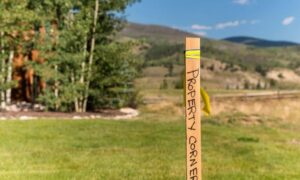
A boundary survey finds exactly where your property starts and stops. A surveyor checks your deed, looks at old records, and measures the land carefully. They look for permanent markers called monuments. These markers might be metal stakes, concrete posts, or rocks that past surveyors placed there.
You need this survey when buying or selling property. You also need it if you want to build something new. Use it if you disagree with a neighbor about where the property line is.
This is the most common survey type. It is the foundation for many other surveys.
Topographic Surveys
Topographic surveys map how the land looks. They show hills and valleys. They use special lines to show how high or low different parts of the land are. These surveys also show trees, buildings, water, and power lines on the property.
Get this survey if you plan to build on a slope or hill. Use it if you need to understand how water flows on your land. Builders and designers use these surveys to plan construction correctly.
ALTA Surveys
ALTA stands for American Land Title Association. An ALTA survey is a detailed survey that combines multiple types of information. It shows property lines, elevation, utility lines, and legal details all in one. It checks for easements. It looks for problems like a neighbor’s building on your land. It verifies property ownership.
Most banks require ALTA surveys for big loans and commercial property. Title companies often ask for them too. These surveys cost more because they give much more information than a simple boundary survey.
Construction Surveys
Before any building starts, you need a construction survey. This survey takes the architect’s building plans and marks exactly where on the land the building should go. It shows where building corners should be. It marks where underground utilities should go. It shows elevation levels.
Arkansas law requires this survey for any building over 1,000 square feet. This survey makes sure builders put everything in the right place at the right elevation.
Drone and LiDAR Mapping
Drone and LiDAR mapping uses special technology to measure land from above. A drone with a camera flies over your property and takes pictures. LiDAR uses laser light to measure exact distances and heights. This technology creates detailed maps quickly and accurately.
This method is faster than traditional surveying for large properties. It shows trees, buildings, terrain, and other features clearly. It works well for construction planning and understanding property layout.
Elevation Certificates
An elevation certificate documents the exact height of your property and buildings. This is especially important if your property is near a flood zone. Insurance companies use these to determine flood risk. Banks require them for properties in flood areas.
The certificate shows the height of your land compared to flood zone maps. It helps protect property owners and provides important legal documentation.
Which Survey Do You Actually Need?
Ask yourself these questions to know which survey fits your situation.
Are you buying or selling property? You probably need a boundary survey or ALTA survey. Your lender will tell you what is required.
Are you building something? You absolutely need a construction survey. You might also need a topographic survey if your land is hilly or has drainage concerns.
Is your property in or near a flood zone? You likely need an elevation certificate. This documents your property’s height compared to flood maps.
Do you want a quick, detailed map of your property? Drone and LiDAR mapping can provide this fast and show everything clearly.
What Do Banks and Title Companies Require?
Banks almost always require ALTA surveys for big money loans. For home mortgages, requirements depend on the loan size. As the price increases, banks ask for surveys more often. Once a home costs over $250,000 to $300,000, surveys become standard.
If your property is in a flood zone, banks will require an elevation certificate.
Ask your lender what survey type they need. Plan ahead and do not wait until the last minute.
How Long Does Surveying Take?
Surveying takes time. Surveyors usually spend one to three days on your property. The final report takes five to twenty days after that. Drone and LiDAR mapping is usually faster, sometimes one to five days. During busy times, all surveys take longer.
Plan ahead. Order your survey early. Do not wait until you are in a rush.
Moving Forward
Different properties need different surveys. Take time to figure out which type your situation requires. Talk to your lender, title company, or real estate professional about what they recommend.
Understanding survey types helps you make better decisions about your property.